Spring-to-Summer Garage Door Tune-Up: Get Ahead Before the Busy Season
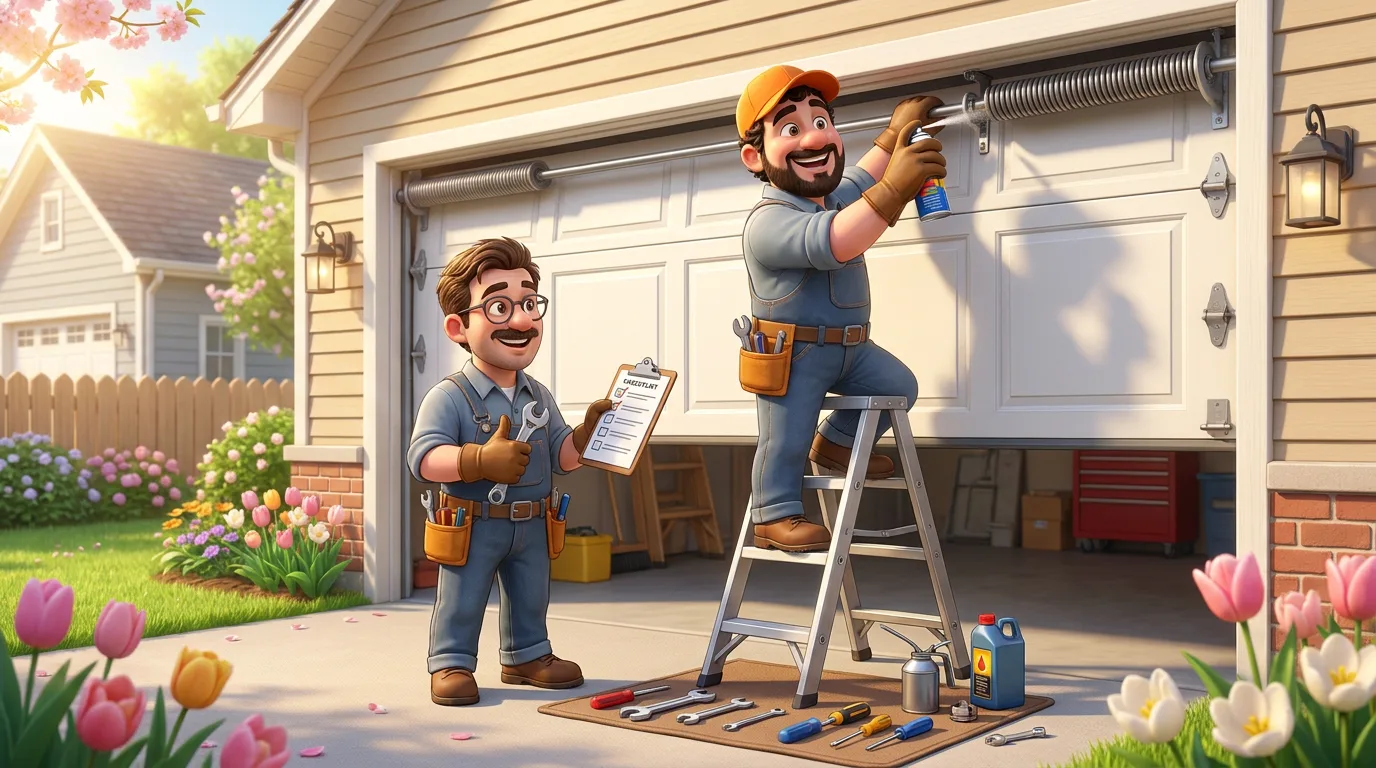
We’re in that sweet spot of the year here in the Lower Mainland: the wet, grey winter is finally behind us, and the real summer heat hasn’t arrived yet. It’s easy to overlook your garage door right now - it’s been opening and closing without complaint, so why think about it?
Here’s the thing: those few weeks between spring and summer are the single best time to give your garage door some attention. Our long, damp winters take a quiet toll - moisture, road salt, grime, and cold all leave their mark. And once summer truly hits, so does the busy season for repairs, which means longer waits when something finally gives out.
A little maintenance now saves you from a frustrating breakdown later. Here’s your spring-to-summer tune-up checklist.
1. Wash Off the Winter
Months of rain, road salt, and grime build up on your door and tracks - and that’s more than just a cosmetic issue. Salt and dirt accelerate rust and wear, especially on metal doors and hardware.
- Clean the door: A bucket of warm water with mild soap and a soft sponge is all you need. Skip harsh detergents that can strip paint or finishes.
- Wipe down the tracks: Use a damp cloth to clear out built-up dirt and debris. Clean tracks help the rollers glide smoothly.
A clean door simply lasts longer - and it’s the perfect first step before you inspect everything else.
2. Check for Moisture Damage
A wet Lower Mainland winter is hard on garage doors. Now that things have dried out, it’s the ideal moment to look for the damage moisture leaves behind.
- Inspect springs, cables, and tracks for rust: Surface rust on springs or cables is an early warning sign. Rusted components are weaker and more likely to fail.
- Look for swollen or warped panels: Wooden doors in particular can absorb moisture over winter and warp. Check that panels still sit flush and even.
If you spot rust on the springs or cables, don’t wait - these parts are under enormous tension, and a failure can be sudden and dangerous.

3. Re-Lubricate Everything
Cold weather thickens lubricant and leaves moving parts stiff. As temperatures climb, fresh lubrication keeps your door running quietly and reduces strain on the opener.
- Lubricate rollers, hinges, and springs with a garage-door-specific silicone or lithium-based spray.
- Avoid WD-40: It’s a degreaser, not a lubricant, and can actually make things worse over time.
- Wipe away excess so it doesn’t attract dust and grime.
A well-lubricated door is a quieter, longer-lasting door - and this is one of the easiest jobs on the list.
4. Test the Safety Reverse and Opener
Summer means kids and pets home all day, often in and out of the garage. Now is the time to make sure your door’s safety features are working properly.
- Test the auto-reverse: Place a roll of paper towel or a small block of wood on the ground in the door’s path. When the closing door touches it, it should immediately reverse. If it doesn’t, stop using the door and call a professional.
- Check the photo-eye sensors: Wave an object through the beam near the floor as the door closes. It should stop and reverse. Clean the sensor lenses and make sure they’re aligned.
These safety systems aren’t optional - they’re what stand between a heavy door and someone in its path.
5. Inspect and Replace Weatherstripping
Winter is rough on weatherstripping. Cold makes rubber brittle, and constant moisture causes cracking. Now, before the summer heat, is the time to reseal.
- Check the bottom seal: Look for cracks, gaps, or hardened, brittle rubber. A good seal keeps out heat, pests, and dust all summer.
- Inspect the side and top weatherstripping: Replace any sections that have pulled away or torn.
Fresh weatherstripping keeps your garage more comfortable in the heat and helps with energy efficiency if your garage is attached to the house.
6. Watch and Listen for Early Warning Signs
Your garage door tells you when something’s wrong - if you pay attention. Catching a small issue now is far cheaper than an emergency repair in the middle of summer.
- Listen for new noises: Grinding, squeaking, or banging usually means something needs attention.
- Watch the movement: The door should move smoothly and evenly. Jerking, shaking, or hesitation points to roller, track, or spring problems.
- Test the balance: Disconnect the opener, lift the door halfway, and let go. It should stay put. If it drops or rises on its own, the springs are out of balance.
If anything looks or sounds off, it’s worth getting it checked before it becomes a breakdown.
7. Book Ahead and Beat the Summer Rush
Here’s the insider tip: summer is one of the busiest seasons for garage door service. When everyone’s spring projects and breakdowns hit at once, wait times get longer.
By scheduling a professional maintenance visit now - before the rush - you get faster service, a thorough inspection, and the peace of mind that your door is summer-ready. A pro can catch the things a DIY check misses, like worn springs, fraying cables, or a misaligned track.
Get Your Garage Door Summer-Ready
A wet Lower Mainland winter leaves its mark, and the calm weeks of early summer are your best window to set things right. Run through this checklist, tackle the easy jobs yourself, and bring in a professional for anything involving springs, cables, or the opener.
For garage door maintenance, repair, or a full inspection in Abbotsford, Surrey, Langley, Chilliwack, Mission, and across the Lower Mainland, call Garage Door Pros at 778-767-3711. Let’s get your door tuned up before the summer rush - so the only thing you have to think about this season is enjoying it.
Frequently Asked Questions
How often should I have my garage door serviced?
We recommend a professional maintenance check at least once a year, with simple DIY checks (lubrication, cleaning, safety tests) every few months. The spring-to-summer window is ideal for the annual service because it undoes winter's wear before the heavy-use summer season.
What can I do myself, and what needs a professional?
You can safely clean the door and tracks, lubricate moving parts, test the safety reverse, and inspect weatherstripping. Anything involving the springs, cables, or opener internals should be left to a professional - these parts are under high tension and can cause serious injury if handled incorrectly.
Why does my garage door act up more in spring?
Our wet Lower Mainland winters introduce moisture, rust, and grime, while cold temperatures stiffen lubricant and components. As the weather warms and parts shift back, small problems that built up over winter often start to show - which is exactly why a spring tune-up is so valuable.
My door works fine - do I really need maintenance?
Yes. Most garage door failures are gradual, and a door that works fine can still have a fraying cable, rusting spring, or failing sensor. Maintenance catches these issues early, when they're cheap and easy to fix, rather than after a breakdown.
Why book before summer instead of waiting?
Summer is peak season for garage door service. Booking now means shorter wait times, more scheduling flexibility, and a door that's ready before the busy, hot months - instead of waiting for an appointment after something breaks.
What areas do you serve?
We serve Abbotsford, Surrey, Langley, Chilliwack, Mission, Maple Ridge, Hope, and communities across the Lower Mainland. Call us at 778-767-3711 to book your spring-to-summer tune-up.